

Unearthing the untold stories
Welcome to the Adriel Media 33 community blog. Here, we delve into forgotten stories and address unresolved issues, aiming to inform, inspire, and provide life-changing insights for every human being. Join us as we explore narratives that matter and spark meaningful conversations.
Addressing unresolved issues
Beyond forgotten stories, we tackle the unresolved issues of our time. From societal challenges to personal dilemmas, our blog aims to foster understanding, encourage dialogue, and inspire action. We provide thoughtful perspectives and explore potential solutions, empowering our readers to engage with and contribute to positive change.
Informing and inspiring lives
Our ultimate goal at Adriel Media 33 is to create content that is not just informative, but also genuinely inspiring and life-changing. We curate articles that resonate deeply, provoke thought, and encourage personal growth. We invite every human being to connect with our content and find new perspectives that can transform their understanding of the world.
Nyayo Gardens: The Spirit of Nakuru’s Civic Struggle
By Arap Cheruiyot
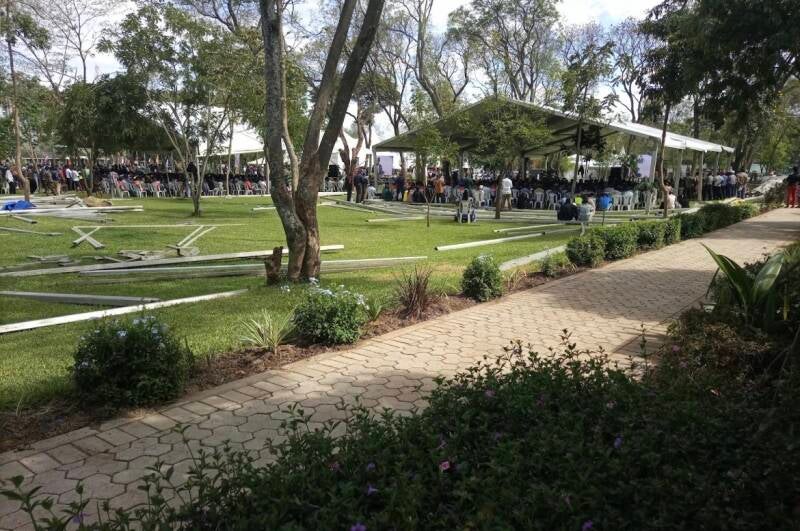
Nakuru’s Nyayo Gardens is today a leafy refuge for families, students, and activists. Yet beneath the shade of its trees lies a layered history — one that locals describe as the “spirit” of the gardens, a spirit born of repression, resistance, and renewal.
A Park Built for Power
Nyayo Gardens was established during President Daniel arap Moi’s Nyayo era, part of a wave of public works meant to symbolize state benevolence. Officially, it was a civic space. In practice, it became a stage for political control.
• Nyayo era rallies: State functions and parades reinforced the image of authority.
• Repression years: Civic activists recall being harassed, silenced, or arrested when attempting to gather.
Human rights defender David Kuria recalls: “We were arrested without charges, held for weeks, and told this was not a place for dissent. Yet we kept coming back.”
The Battleground Years
In the 1980s and 1990s, Nyayo Gardens became synonymous with fear.
• KANU youth wingers patrolled the grounds, dispersing meetings with whips and clubs.
• Mothers demanding justice for their jailed sons were violently chased away.
• Police complicity ensured that dissent was silenced.
Kuria himself spent three weeks in Nakuru Central Police Station without trial. His story is echoed by many who saw Nyayo Gardens as both a prison without walls and a symbol of defiance.
The Spirit of Resistance
The “spirit” often referenced in writings and talks at Nyayo Gardens is not mystical. It is the collective memory of defiance:
• Activist struggles: Meetings disrupted, voices silenced, yet persistence endured.
• Mothers’ protests: Women demanding justice became symbolic of resilience.
• Civic renewal: The promulgation of the 2010 Constitution transformed the park into a legal forum for assembly and protest.
Writings and Talks
Graffiti, speeches, and commemorations at Nyayo Gardens highlight this transformation. During the Constitution’s 15th anniversary in 2025, activists openly held civic education forums — something “almost illegal” in the 1990s.
Challenges That Linger
• Land struggles: Like Lions Garden, Nyayo Gardens has faced threats of land grabbing.
• Maintenance issues: Benches and paths sometimes fall into disrepair, though recent clean-up efforts have improved conditions.
• Lingering trauma: Older generations still recall intimidation, shaping how they view the park today.
Today’s Symbol
Nyayo Gardens now hosts:
• Gen Z protests against finance bills.
• Femicide awareness walks.
• Community forums on governance and rights.
Children play where activists once hid, couples stroll where police once patrolled, and communities gather where voices were once silenced. The “spirit” is the heartbeat of Nakuru’s people — a reminder that freedom, once won, must always be protected.
Nyayo Gardens is not just a park. It is a monument of resilience — a public space reclaimed by the people, carrying the memory of struggle and the promise of freedom.
Saba Saba: Kenya’s Cry for Freedom
By Arap Cheruiyot
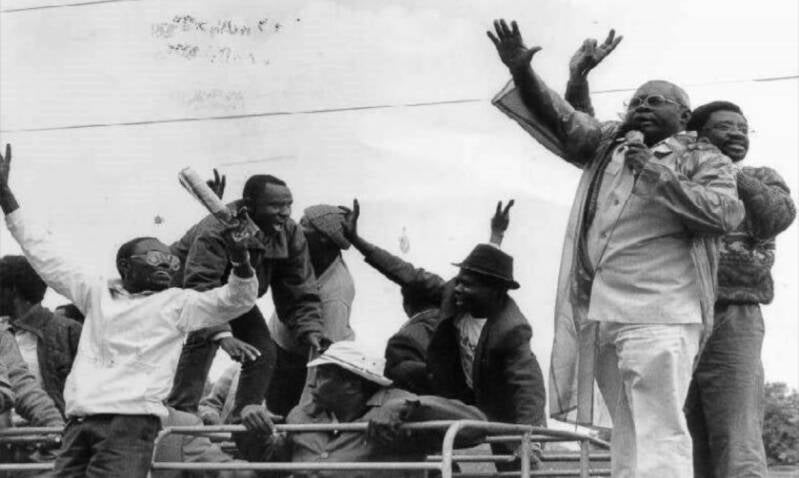
On July 7, 1990, Nairobi’s Kamukunji Grounds became the epicenter of defiance. The call had gone out from Kenneth Matiba, Charles Rubia, and Jaramogi Oginga Odinga: Kenyans must rise and demand multiparty democracy.
Crowds gathered despite the government’s ban. Students carried placards, mothers held their children close, and workers streamed in from estates and factories. The atmosphere was electric — a people ready to reclaim their voice.
Then came the crackdown. Riot police stormed in, batons swinging, tear gas choking the air. Protesters scattered, some beaten, others arrested, and a few never returned home. That day, Saba Saba — “seven-seven” — was born as a scar and a symbol.
Voices from 1990
• “We knew it was dangerous, but silence was worse. I carried my son on my back to Kamukunji. I wanted him to see that freedom is fought for.” — Testimony from a mother who joined the rally.
• “The tear gas burned our eyes, but we refused to run. We shouted ‘multiparty now!’ until our voices broke.” — A student activist recalling the chaos.
• “They arrested us, but in prison we sang. We knew Kenya would one day be free.” — Former detainee reflecting on the aftermath.
These voices remind us that Saba Saba was not just a political event — it was a human struggle, lived in sweat, tears, and courage.
Why Saba Saba Became a Symbol
• Catalyst for Democracy: The protests forced the repeal of Section 2A in 1991, ending Kenya’s one‑party state.
• People Power: Ordinary citizens proved they could shake the foundations of dictatorship.
• Civil Society Awakening: Activists like Wangari Maathai and Raila Odinga tied Saba Saba to broader struggles — environmental justice, constitutional reform, and human rights.
The Journey Since
• 1990s: Opposition rallies challenged electoral fraud and authoritarianism.
• 2000s: Campaigns for constitutional reform kept Saba Saba alive.
• 2010: The new Constitution was celebrated as a victory rooted in Saba Saba ideals.
• 2020s: Generation Z revived Saba Saba, marching against corruption, police brutality, and poor governance.
Contemporary Symbolism
Today, Saba Saba is not just history — it is a living tradition of resistance.
• Human Rights Advocacy: Civil society groups use the day to highlight abuses and demand reforms.
• Youth Activism: Gen Z has embraced Saba Saba as their platform for change.
• National Reflection: It reminds Kenyans of sacrifices made and the unfinished journey toward justice.
Saba Saba is Kenya’s heartbeat of resistance. It tells us that democracy is not a gift from leaders, but a demand from the people. Each July 7th, Kenyans remember that freedom is never handed down — it is fought for, defended, and renewed.
Create Your Own Website With Webador