

Saba Saba: Kenya’s Cry for Freedom
By Arap Cheruiyot Adrian Kipyegon
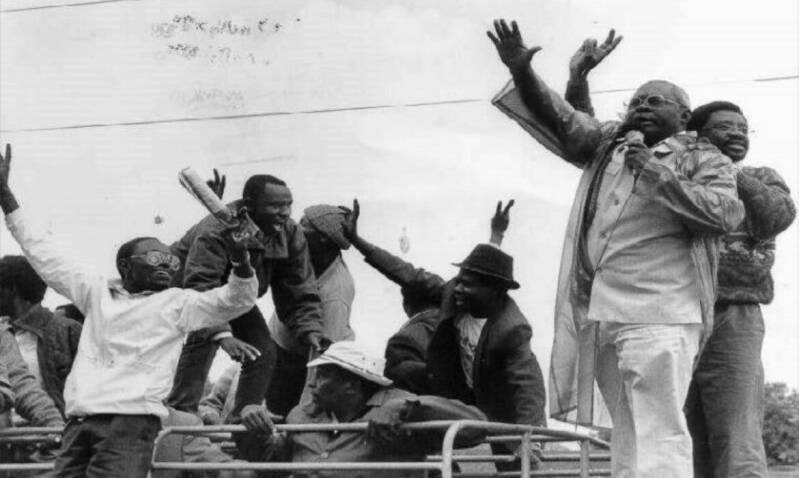
On July 7, 1990, Nairobi’s Kamukunji Grounds became the epicenter of defiance. The call had gone out from Kenneth Matiba, Charles Rubia, and Jaramogi Oginga Odinga: Kenyans must rise and demand multiparty democracy.
Crowds gathered despite the government’s ban. Students carried placards, mothers held their children close, and workers streamed in from estates and factories. The atmosphere was electric — a people ready to reclaim their voice.
Then came the crackdown. Riot police stormed in, batons swinging, tear gas choking the air. Protesters scattered, some beaten, others arrested, and a few never returned home. That day, Saba Saba — “seven-seven” — was born as a scar and a symbol.
Voices from 1990
• “We knew it was dangerous, but silence was worse. I carried my son on my back to Kamukunji. I wanted him to see that freedom is fought for.” — Testimony from a mother who joined the rally.
• “The tear gas burned our eyes, but we refused to run. We shouted ‘multiparty now!’ until our voices broke.” — A student activist recalling the chaos.
• “They arrested us, but in prison we sang. We knew Kenya would one day be free.” — Former detainee reflecting on the aftermath.
These voices remind us that Saba Saba was not just a political event — it was a human struggle, lived in sweat, tears, and courage.
Why Saba Saba Became a Symbol
• Catalyst for Democracy: The protests forced the repeal of Section 2A in 1991, ending Kenya’s one‑party state.
• People Power: Ordinary citizens proved they could shake the foundations of dictatorship.
• Civil Society Awakening: Activists like Wangari Maathai and Raila Odinga tied Saba Saba to broader struggles — environmental justice, constitutional reform, and human rights.
The Journey Since
• 1990s: Opposition rallies challenged electoral fraud and authoritarianism.
• 2000s: Campaigns for constitutional reform kept Saba Saba alive.
• 2010: The new Constitution was celebrated as a victory rooted in Saba Saba ideals.
• 2020s: Generation Z revived Saba Saba, marching against corruption, police brutality, and poor governance.
Contemporary Symbolism
Today, Saba Saba is not just history — it is a living tradition of resistance.
• Human Rights Advocacy: Civil society groups use the day to highlight abuses and demand reforms.
• Youth Activism: Gen Z has embraced Saba Saba as their platform for change.
• National Reflection: It reminds Kenyans of sacrifices made and the unfinished journey toward justice.
Saba Saba is Kenya’s heartbeat of resistance. It tells us that democracy is not a gift from leaders, but a demand from the people. Each July 7th, Kenyans remember that freedom is never handed down — it is fought for, defended, and renewed.
Add comment
Comments